M Series — Refined Cotton

High-purity cotton linter pulp for cellulose ethers and esters — the full viscosity range, from M5 to M1000.

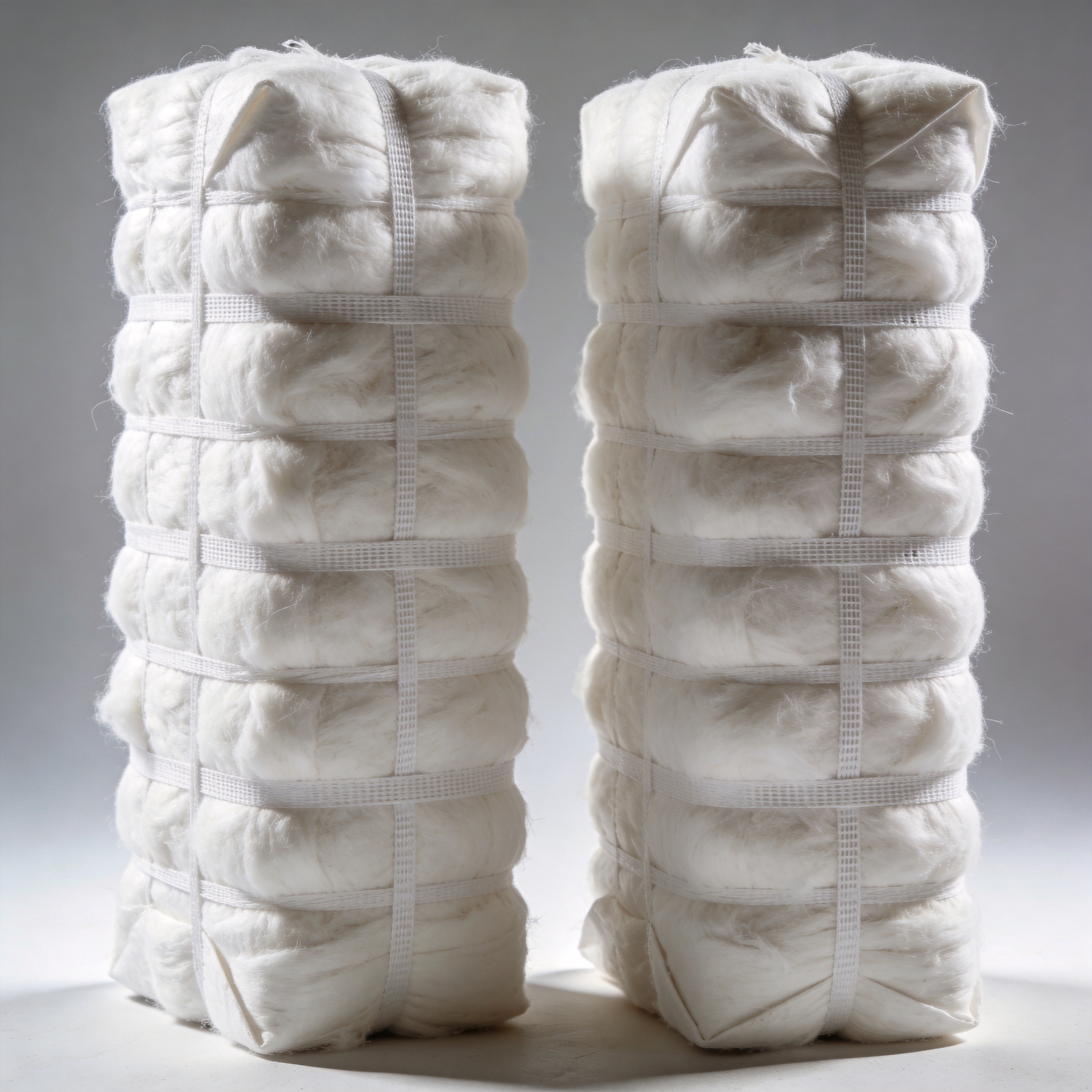
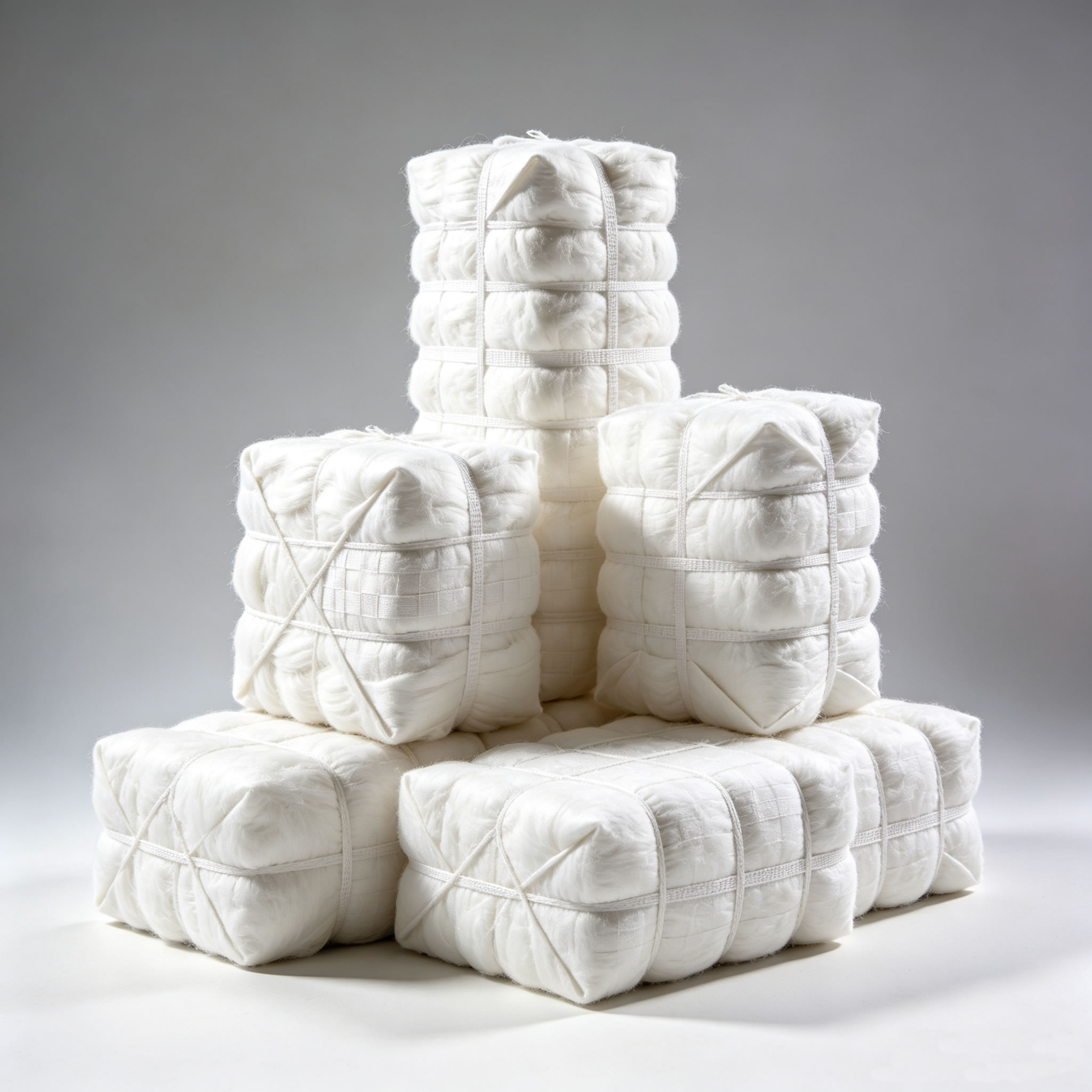
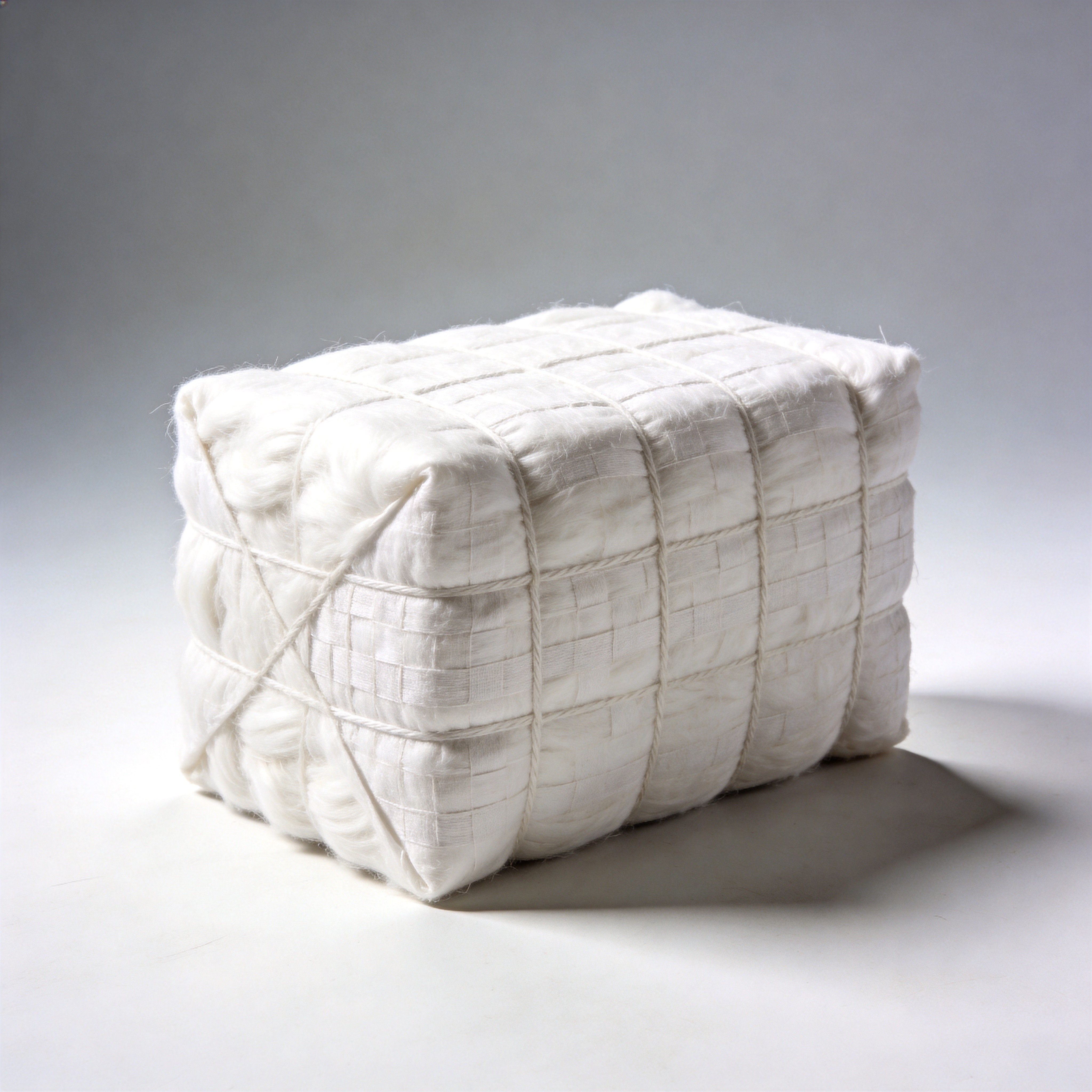
M Series — Refined Cotton — compressed bale in woven wrapping on a light studio background
M Series Refined Cotton

One refined cotton series behind every viscosity tier of ethers and esters

M Series refined cotton is produced from Xinjiang cotton linters through alkaline cooking and multi-stage bleaching. The M5–M1000 range gives etherification and esterification producers a single, batch-consistent source for low-, medium- and high-viscosity feedstock — with a certificate of analysis on every batch.

α-CelluloseAsk for latest specViscosity rangeAsk for latest spec · M5–M1000FeedstockCotton linter basedHS Code4706.10
Product Overview

One refined cotton range for every viscosity tier

M Series is our core refined cotton line, made from Xinjiang cotton linters — the short, high-cellulose fibers recovered after ginning. The linters go through alkaline cooking, multi-stage washing and bleaching, and controlled purification to produce a bright, uniform cellulose pulp. From grade M5 to grade M1000 the series covers the full viscosity spectrum, so derivative producers can source low-, medium- and high-viscosity feedstock from one consistent supplier instead of juggling multiple mills. Viscosity and purity are tracked in-process every shift, and every batch ships with its own certificate of analysis.

  • ✓Batch-to-batch consistency — cooking, bleaching and viscosity parameters logged every shift
  • ✓Full viscosity range — M5 to M1000 under one quality system
  • ✓COA per batch — α-cellulose, viscosity, ash, iron, whiteness and moisture reported
  • ✓Custom grade matching — send your target viscosity or current TDS and our lab matches it
EtherificationEsterificationHPMC / HEMC / HECCMC · MCCCotton linter based
M Series refined cotton — production and quality control at the Manas Xiangyun factory
Specifications

Typical properties — M Series

Every cell below is confirmed grade by grade on the current technical data sheet — ask for the latest TDS with your inquiry.

Typical properties — M Series refined cotton. Grade-specific values are provided on the latest TDS.
ParameterTypical ValueTest Method
α-CelluloseAsk for latest specPer GB/T —
Viscosity rangeAsk for latest specPer GB/T —
AshAsk for latest specPer GB/T —
IronAsk for latest specPer GB/T —
WhitenessAsk for latest specPer GB/T —
MoistureAsk for latest specPer GB/T —
Degree of polymerization (DP)Ask for latest specPer GB/T —

Values marked "Ask for latest spec" are confirmed grade by grade on the current TDS — send us your target grade and the latest sheet comes back with your quote. Test methods are executed per GB/T, GOST and ASTM frameworks; full standard numbers are printed on the TDS for each grade.

Grade Ranges

Three viscosity tiers, one quality system

Grades are organized into low, medium and high viscosity tiers. Exact grade names and viscosity windows are confirmed on the TDS — tell us your process and we will point you to the right tier.

Low viscosity — grades M5–M30

Viscosity: Ask for latest spec

Short-chain grades at the low end of the range, selected where fast reaction kinetics and quick dissolution matter. The typical fit is high-solids etherification and fast-dissolving, instantized derivative systems.

High-solids etherificationFast-dissolving systemsMCC feedstock
Request TDS for this range →

Medium viscosity — grades M50–M200

Viscosity: Ask for latest spec

The general-purpose workhorse tier for mainstream cellulose ether production — predictable reaction behavior and stable finished-product viscosity, run after run. The default starting point for standard HPMC and HEMC lines.

General-purpose HPMC / HEMCStandard etherification
Request TDS for this range →

High viscosity — grades M400–M1000

Viscosity: Ask for latest spec

Long-chain grades for high-viscosity ethers and water-retention systems, where finished-solution viscosity and moisture retention are the performance targets that decide grade selection.

High-viscosity ethersWater-retention gradesHEC
Request TDS for this range →
Applications

Where these grades go to work

Recommended tiers below are starting points — final grade selection depends on your target solution viscosity and process.

HPMC / HEMC / HEC — building & coating grades

Construction-grade ethers for tile adhesives, renders and paints, where water retention and thickening set finished-product performance.

Recommended tier: medium–high (M50–M1000)
See application details →

CMC — food, detergent & industrial grades

Carboxymethyl cellulose lines running high-solids etherification favor lower-viscosity, fast-reacting feedstock with uniform purity.

Recommended tier: low–medium (M5–M200)

MCC — pharmaceutical & food excipients

Microcrystalline cellulose for tableting and food applications calls for high-purity feedstock with a controlled degree of polymerization.

Recommended tier: low, high-purity profile (M5–M30)
See application details →

Other ether & ester routes

Nitrocellulose, cellulose acetate and custom derivative routes — share your process and target specification for a matched grade.

Recommended tier: matched on request
Documents

TDS, SDS & sample COA

Technical documents in PDF for your records and vendor files. Current versions are reissued whenever specifications are updated.

M-Series-TDS.pdfPDF · Technical Data Sheet

TDS — M Series

Full grade list, typical properties and test methods, including grade-by-grade viscosity windows.

Request by inquiry
M-Series-SDS.pdfPDF · Safety Data Sheet

SDS — Safety Data Sheet

Safety, handling and transport information for refined cotton bales.

Publicly available per regulatory requirements.

Request by inquiry
Sample-COA-M-Series.pdfPDF · Certificate of Analysis

Sample COA

An example certificate of analysis showing exactly which parameters are reported and signed off for every shipped batch.

Request by inquiry

Quality assurance behind every bale

The same checkpoint system runs across every product line — incoming, in-process and outgoing control, with documentation to back it up.

ISO 9001 quality system*COA issued with every batchIQC · IPQC · OQC process controlGB/T · GOST · ASTM methods — standard nos. on TDSThird-party SGS inspection on request

* Certification claims are subject to document verification; certificates are available for review during factory audit or on request under NDA.

Other Product Lines

More lines from the same Manas facility

Same quality system and export documentation, different grade profiles — many customers run two series in parallel for different derivative lines.

X Series — Nitrocellulose

X Series — Nitrocellulose

High-alpha-cellulose pulp with low impurities and consistent nitration performance for reliable nitrocellulose production.

View Series →
C Series — Cellulose Acetate

C Series — Cellulose Acetate

Cotton-linter based grades engineered for high-purity downstream uses where feedstock quality is decisive.

View Series →
Specialty Cotton Pulp

Specialty Cotton Pulp

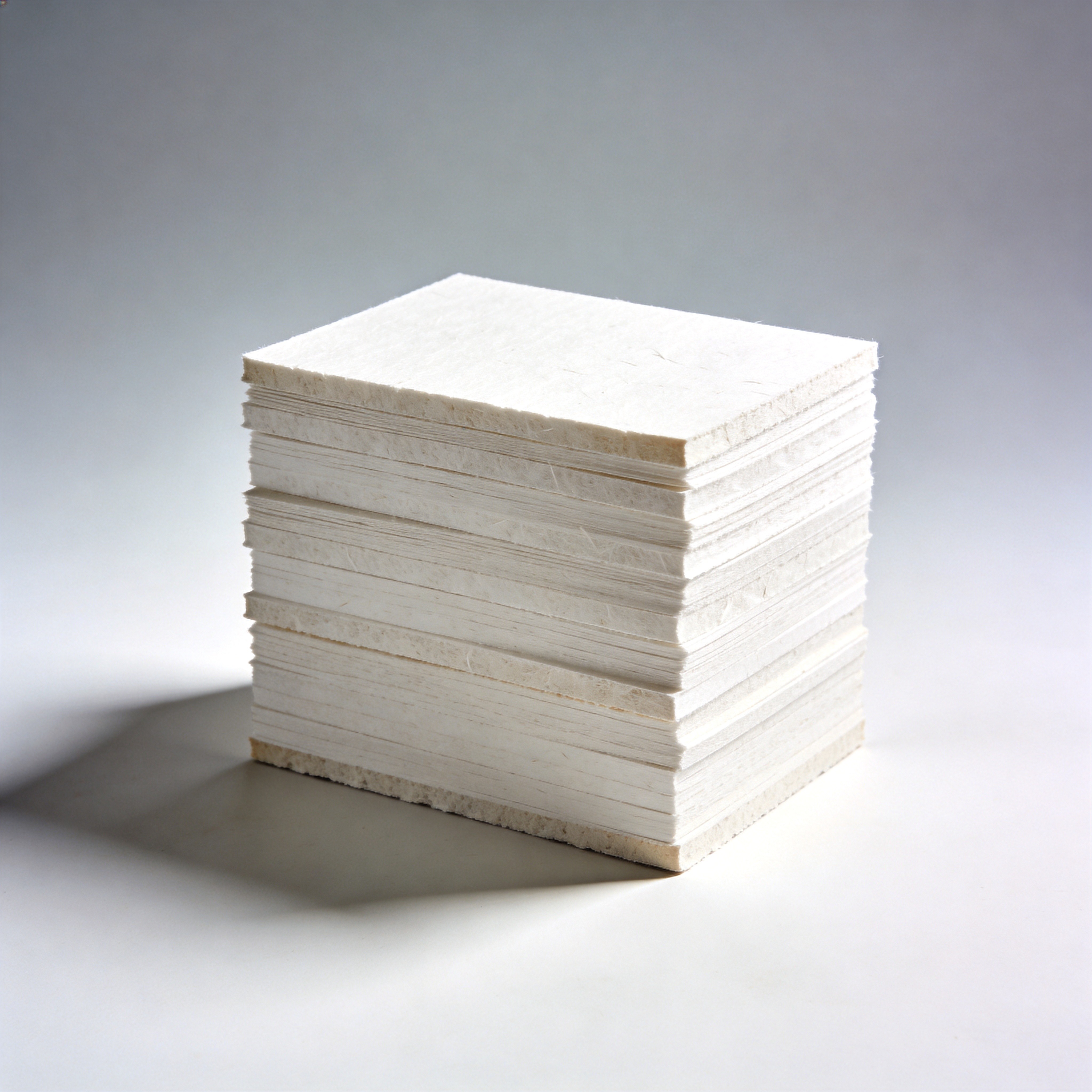
Sheet-form cotton pulp for processes requiring board-format feedstock and controlled degree of polymerization.

View Series →
FAQ

M Series — frequently asked questions

Quick answers on grades, documents and sampling. The full FAQ library lives in Resources.

What viscosity range does the M series cover?

The M series runs from grade M5 at the low-viscosity end to grade M1000 at the high-viscosity end, with intermediate grades covering the steps in between. Each tier is tuned to different downstream reaction and dissolution behavior. Exact viscosity windows for each grade are listed on the TDS — send us your target viscosity and we will confirm the matching grade.

Which M grade is used for HPMC construction grades?

It depends on the solution viscosity and water-retention profile you are targeting. General-purpose building-grade HPMC and HEMC are commonly matched with medium-viscosity tiers, while high water-retention, high-viscosity finished products tend to call for the high tier. Share your target specification — or your current supplier's TDS — and our technical team will recommend a grade and back it with a sample.

Can you match a target viscosity or an existing grade?

Yes. Send us the viscosity window you need, or a TDS from your current supplier, and our lab will identify the closest M series grade. The match is confirmed with a pre-shipment sample and its batch COA before you commit to a volume order.

Is a TDS available before we place an order?

Yes. The M series TDS is issued on request with your inquiry, and the SDS is publicly available per regulatory requirements. A sample COA is also available so you can see exactly which parameters are reported batch by batch before you order.

How do samples and trials work?

After we agree on a candidate grade, sample bales are shipped with the matching batch COA so your trial results stay fully traceable. Tell us your application, estimated quantity and destination port, and our export team will handle sample logistics and documentation.

See all FAQ →

Send Inquiry

Request specs, samples and a quote

Tell us your application, grade of interest and target viscosity — TDS and quotation within 24 work hours, samples shipped with matching batch COA.

Fields marked * are required. We reply within 24 work hours.

Need the right M grade for your line?

Send your application and target viscosity — we reply with TDS, grade recommendation and quote within 24 work hours.

💬